

What is Cornea ?
The cornea is the transparent, dome-shaped outer layer covering the front of the eye. It plays a vital role in focusing light onto the retina, enabling clear vision. Composed of five distinct layers, the cornea is strong, flexible, and avascular, meaning it does not contain blood vessels. Instead, it receives nourishment from tears and the aqueous humor. Acting as both a protective barrier against dust, germs, and injuries, and as a powerful refractive surface, the cornea contributes nearly two-thirds of the eye’s focusing power. Healthy corneal function is essential for maintaining sharp, comfortable, and stable vision.

Latest Cornea Treatments
Corneal Cross-Linking
This procedure strengthens corneal collagen fibers, providing stability and is commonly used to manage keratoconus and similar corneal disorders, preventing further thinning, distortion, and progressive vision loss.
Collagen Cross-Linking
This treatment reinforces the corneal collagen fibers to enhance structural stability and is primarily utilized for conditions like keratoconus, helping prevent progressive thinning, bulging, and associated vision impairment.
Corneal Transplantation
Corneal transplantation is a delicate surgical procedure in which diseased or scarred corneal tissue is replaced with healthy donor tissue to restore transparency, enhance vision, relieve pain, and preserve overall ocular function.
Corneal Inlays and Onlays
These are tiny, transparent inserts positioned within the cornea to enhance near vision. They are primarily used for managing presbyopia, a condition that impairs close-up reading ability.
Intacs
These are thin, crescent-shaped implants inserted into the cornea to reshape its curvature, enhancing vision. They are primarily utilized for treating keratoconus and reducing associated visual distortion.
How to Know If You Need Cornea Treatment
Identifying the early symptoms of corneal problems is essential to avoid lasting vision damage. Below are some common signs that suggest you might require expert corneal care.

Infection caused by contact lens use

Injury or Trauma
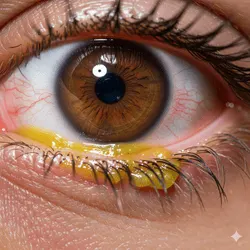
Frequent Eye Infections

Blurry or Distorted Vision

Eye Redness

Increased Light sensitivity
Procedure for Corneal Transplantation
Type of Corneal Treatment Procedure
|
Cornea Treatment options
|
Description
|
|---|---|
|
Artificial Cornea Transplant (Keratoprosthesis)
|
A corneal transplant using an artificial cornea is performed when a patient is not suitable for receiving a donor cornea.
|
|
Penetrating Keratoplasty (PK)
|
A full-thickness corneal transplant is a procedure in which the entire cornea is surgically removed and replaced with a healthy donor cornea.
|
|
Deep Anterior Lamellar Keratoplasty (DALK)
|
A partial-thickness corneal transplant is done when only the affected layers of the cornea are replaced, often recommended for conditions like keratoconus or a bulging cornea.
|
|
Descemet's Stripping Endothelial Keratoplasty (DSEK/DSAEK)
|
The diseased inner layer of the cornea is taken out through a tiny incision, and donor tissue, which is thicker and simpler to handle than in DMEK, is transplanted in its place
|
|
Superficial Anterior Lamellar Keratoplasty (SALK)
|
A partial-thickness corneal transplant in which only the front layer of the cornea is replaced, while the stroma and endothelium remain unaffected.
|
|
Descemet's Membrane Endothelial Keratoplasty (DMEK)
|
The unhealthy inner layer of the cornea is carefully extracted through a small incision.
|
Advantages of Cornea Treatment

Restored Vision

Safeguarding Eye Health

Improved Comfort

Improved Standard of Living
Frequently Asked Questions
These are the main types of corneal conditions:
Keratitis – An infection or inflammation of the cornea that leads to redness, pain, and swelling.
Dry Eyes – Occurs when the eyes are unable to produce enough tears to remain lubricated.
Corneal Dystrophies – A group of disorders where abnormal material accumulates in the cornea, causing vision to become cloudy.
The cornea has a strong ability to repair itself quickly after most injuries or infections. However, in cases of severe or extensive damage, the healing process can take longer.
Corneal surgery usually lasts about an hour, but the patient remains in the operating room for around 2 hours to undergo postoperative evaluation.
Yes, the cornea can heal from small injuries naturally. When it gets scratched, the surrounding healthy cells rapidly move in to cover and repair the damaged area.
Small corneal scratches usually heal fast, while deeper injuries require more time and may lead to discomfort, redness, tearing, or pain.
A corneal transplant is usually done as an outpatient procedure. Eye drops are administered, and the eye surgeon uses either local or general anesthesia to ensure the patient feels no pain during the surgery.